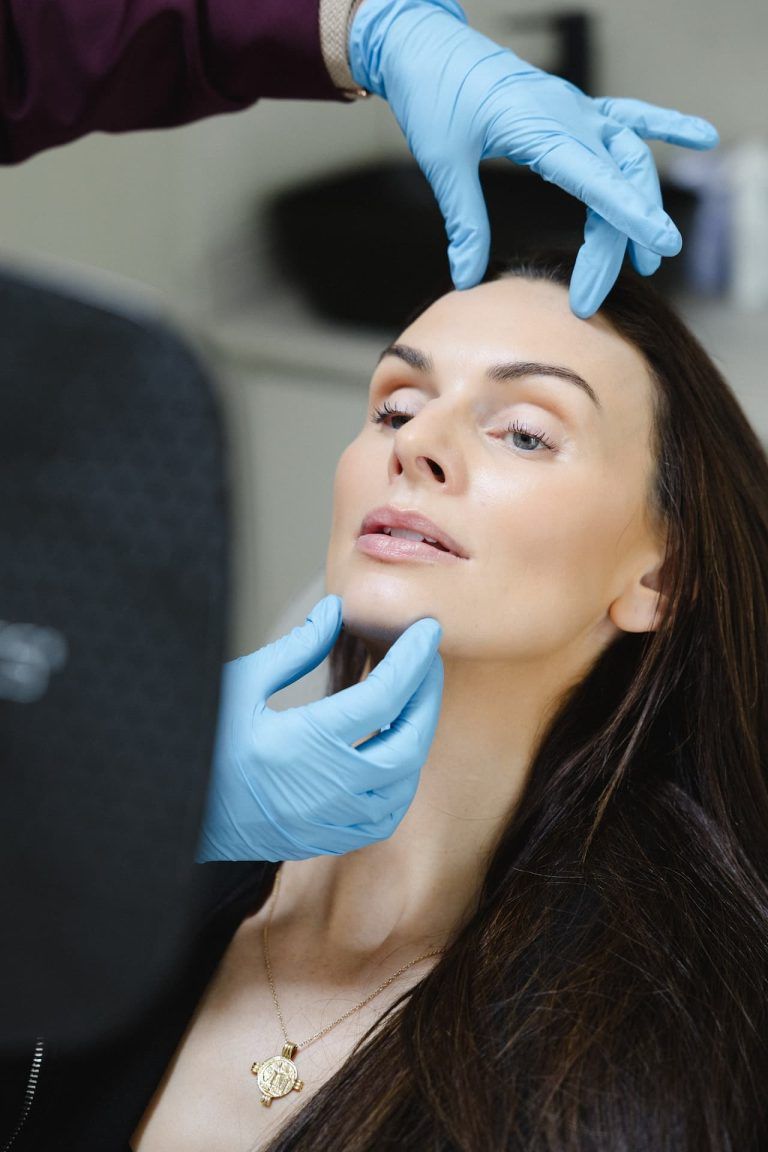
Ask around and you’ll hear Profhilo described as a filler, a facial and a skin booster, sometimes in the same conversation. It isn’t any of those things exactly, and the confusion matters, because choosing between Profhilo and a dermal filler comes down to what’s actually bothering you. Anyone weighing up Profhilo in Milton Keynes usually arrives with one of two very different concerns.
One is skin that looks tired, dry and a bit deflated all over. The other is a specific area that’s lost shape. Profhilo and Profhilo Structura answer the first. Filler answers the second. Here’s how to tell which camp you’re in.
What Profhilo Is Designed To Do
Profhilo is a highly concentrated hyaluronic acid that spreads through the skin rather than staying put. It isn’t cross-linked in the way filler is, so it can’t hold a shape or create a projection. What it does instead is hydrate tissue thoroughly and encourage the skin to behave more like it used to, improving firmness and that hard-to-describe quality people call bounce.
Treatment is delivered through a small number of set injection points, usually five on each side of the face. Two sessions about a month apart make up a standard course. Because the effect is spread evenly, nobody should be able to point at a feature and say something’s been done to it.
What A Dermal Filler Does Differently
A dermal filler is cross-linked, which gives it structure. It sits where it’s placed and holds volume, so it can rebuild a flattened cheek, soften a deep fold or refine a jawline. The change is visible as soon as swelling settles.
That precision is the whole advantage. It’s also why filler is the wrong tool for generally dull, dehydrated skin — adding volume to a face that hasn’t lost any rarely looks good. Where several areas relate to one another, facial balancing is the more considered approach, treating proportions rather than chasing individual lines.
How To Work Out Which You Need
A simple test helps. Look in a mirror in daylight and ask what you notice first.
- Skin looks flat, dry, finely lined or makeup sits badly — that points towards Profhilo
- Cheeks have hollowed, the jawline has softened or folds have deepened — that points towards filler
- The neck or décolletage is crepey and losing tone — Profhilo again, often alongside neck treatment
- Lips have thinned or lost definition — filler, via lip treatments
Plenty of people tick boxes in both columns, and that’s genuinely common rather than a problem. The usual sequence is to improve skin quality first, then reassess what volume is really needed. Faces often look fuller once the skin itself is in better condition, so treating in that order tends to mean less product overall.
Sequencing Matters More Than Choosing
Asked to pick one, most people would happily have both eventually. The order is what makes the difference. Skin in poor condition sits badly over filler, so volume placed underneath can look obvious where it should look natural.
Treating quality first also gives a clearer picture of what’s genuinely missing. Only then is it worth deciding where, or whether, to add structure at all.
What Profhilo Structura Adds
Structura is the firmer sibling in the range. It’s designed for skin that has become lax and slightly hollow, particularly in the mid-face, and it gives a little more support than standard Profhilo without behaving like a conventional filler. For some people it bridges the gap neatly between the two options, which is exactly why a consultation is worth more than an online comparison.
Downtime, Longevity & Cost Over Time
Profhilo leaves small raised bumps at the injection points for a few hours, and occasionally a light bruise. Filler can swell for a day or two, and bruising is more likely in mobile areas like the lips. Neither requires time off, although it’s sensible not to book either the day before an event.
On longevity, filler generally lasts longer in one go, often somewhere between six and eighteen months depending on the product and the area. Profhilo results typically hold for around six months before a maintenance session. Judging them on price per syringe misses the point, because they aren’t solving the same problem.
Whichever you choose, the practitioner matters more than the product. Both are prescription-only treatments in the UK, and the Save Face register is a useful place to check credentials before booking anywhere.
Frequently Asked Questions
Can I have Profhilo and filler together?
Yes, and it’s a common combination. They’re usually done at separate appointments so each can settle and be assessed properly.
Will Profhilo make my face look bigger?
No. It spreads through the skin rather than holding volume, so it improves quality without changing your proportions.
How many Profhilo sessions do I need?
Two sessions four weeks apart is the standard starting course, with maintenance roughly twice a year after that.
Which is better for the under-eye area?
Neither is a default. That area is delicate and needs assessing in person, as the right answer varies a lot from face to face.
Get An Honest Recommendation From Halo Aesthetics
We’d rather talk you out of a treatment than sell you the wrong one. A consultation looks at your skin, your concerns and what you want to look like in five years, then matches the treatment to that — sometimes Profhilo, sometimes filler, sometimes neither yet. To book a consultation at our Milton Keynes clinic, contact our team and we’ll take it from there.